Car Overheating in Pulaski, TN? Do This Right Away
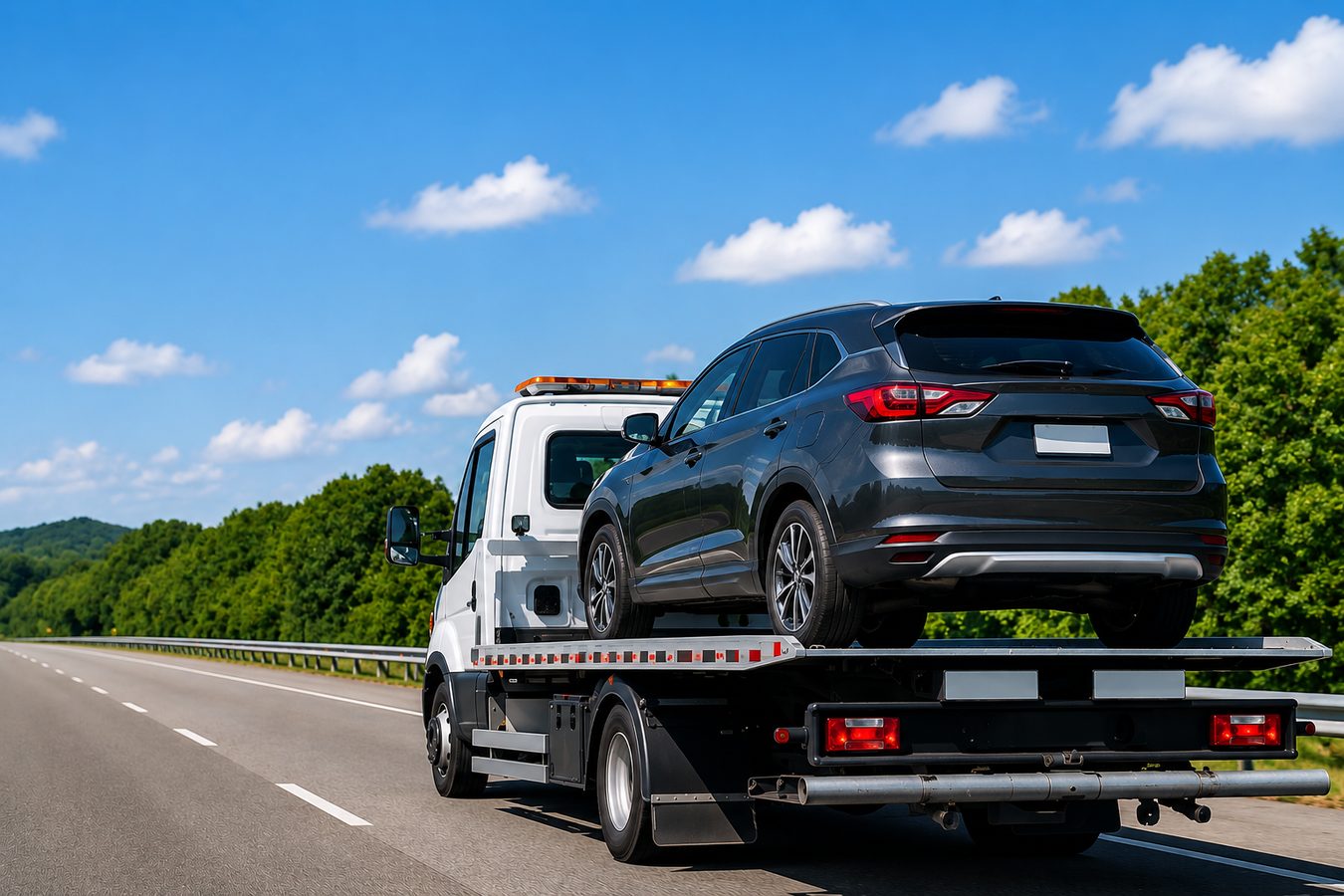
There are few things more stressful than watching your temperature gauge climb into the red while you are stuck in traffic on US-31 or halfway between Pulaski and Fayetteville on a 95-degree Giles County afternoon. An overheating engine is one of the most common summer breakdowns we respond to across the 38478 area, and how you react in the first five minutes decides whether you walk away with a minor repair or a cracked engine block. This guide walks you through exactly what to do, what to avoid, and when it is time to shut the engine off and call for a flatbed instead of pushing your luck.
The good news: most overheating events are recoverable if you catch them early and stay calm. The bad news: Tennessee summer heat, stop-and-go traffic downtown near the Giles County Courthouse, and long hauls on I-65 all put extra strain on your cooling system exactly when it is already working hardest. Knowing the warning signs and the right sequence of steps keeps a bad day from becoming a bad month.
Warning Signs Your Engine Is Overheating
Your car almost always gives you a heads-up before things get serious. The most obvious signal is the temperature gauge on your dash creeping toward the H or into the red zone, or a dedicated warning light shaped like a thermometer sitting in water. But there are other clues worth watching for while you are driving around Pulaski:
- Steam or vapor rising from under the hood, which many drivers mistake for smoke.
- A sweet, syrupy smell coming through the vents, which is the scent of coolant leaking onto hot engine parts.
- A hot, metallic or burning odor that gets stronger the longer you drive.
- Reduced power or a sluggish response as some engines automatically pull back to protect themselves.
- Ticking or knocking sounds from the engine bay as metal parts expand beyond their normal tolerances.
If you notice any of these, treat it as a real problem right away. Ignoring an early warning is the single most expensive mistake a driver can make, because a few extra miles at high temperature can be the difference between topping off coolant and replacing a head gasket.
What to Do the Moment Your Car Overheats
When the gauge spikes, follow this sequence. Every step is designed to protect the engine and, more importantly, keep you safe on the shoulder of a busy Tennessee road:
- Turn off the air conditioning. The A/C compressor adds a heavy load to the engine. Shutting it off immediately reduces heat and buys you a little time.
- Turn the heater on full blast. This feels backward on a hot day, but the heater core pulls heat away from the engine and dumps it into the cabin. Roll your windows down and let it do its job for a minute or two while you find a safe place to stop.
- Find a safe spot and pull over. Get well off the travel lane, whether that is a wide shoulder on US-64, a gas station lot, or a side street off Sam Davis Avenue. Put on your hazard lights.
- Shut the engine off. Once you are safely stopped, turn the key off so the engine stops generating heat. Let it sit.
- Pop the hood, but do not touch anything yet. Releasing the hood latch lets heat escape faster. Do not open the radiator cap or coolant reservoir while the system is hot and pressurized.
- Wait and watch. Give it 30 to 45 minutes to cool. If you have coolant or even water and the engine has cooled, you can carefully top off the reservoir.
What NOT to Do When Your Car Overheats
A few well-meaning reactions can turn a manageable situation into a dangerous or costly one. Avoid these at all costs:
- Do not open the radiator cap while the engine is hot. The cooling system is under pressure and the coolant can be well above 200 degrees. Opening it can send scalding fluid straight up at your face and hands. This is one of the most common ways people end up with serious burns.
- Do not pour cold water on the engine or into a hot radiator. A sudden temperature shock can crack the engine block or radiator. Always let things cool first.
- Do not keep driving and hope it passes. Every minute at high temperature risks warping the cylinder head and blowing the head gasket. That repair often runs into the thousands.
- Do not ignore a repeat problem. If your car overheated once and seemed fine after cooling, there is still an underlying cause. Get it checked before it strands you again, likely at a worse time and place.
Why Cars Overheat in the First Place
Understanding the cause helps you decide whether it is safe to drive on after cooling or whether you need a tow. The most common reasons we see across Pulaski, Cornersville, Lynnville, and the surrounding towns include:
- Low coolant from a leak in a hose, the radiator, or the water pump. This is the number one cause.
- A failed thermostat stuck closed, which blocks coolant from circulating.
- A broken radiator fan or fan clutch, which is especially noticeable in slow downtown traffic where there is no airflow.
- A failing water pump that no longer moves coolant through the engine.
- A clogged radiator full of debris, bugs, or internal buildup.
- A blown head gasket, which can be both a cause and a result of overheating.
The U.S. Department of Transportation and safety groups like NHTSA consistently recommend routine cooling-system checks before summer travel, and that advice holds double in the Tennessee heat. A ten-minute coolant inspection every spring prevents the large majority of roadside overheating calls.
Overheating Situations: Drive On or Call a Tow?
Once the engine has cooled, use this quick guide to decide your next move. When in doubt, err on the side of a tow. A flatbed ride is far cheaper than a new engine.
| Situation | Best Move |
|---|---|
| Coolant was low, topped off, temp stays normal | Drive carefully to a shop, watch the gauge |
| Steam returns or gauge climbs again within minutes | Shut off and call for a tow |
| Coolant leaking on the ground under the car | Do not drive, call for a tow |
| Sweet smell plus white exhaust smoke | Possible head gasket, tow to a shop |
| Engine will not restart or runs very rough | Call for a tow immediately |
When to Call Pulaski Towing
If your engine overheats a second time after topping off, if you see coolant pooling on the pavement, or if you are simply not sure whether it is safe to drive, the smart call is a tow. Our licensed and insured drivers run DOT-compliant flatbed and wheel-lift trucks, so your vehicle is transported without adding a single mile of strain to an already stressed engine. We serve Pulaski, Cornersville, Lynnville, Ardmore, Elkton, Minor Hill, and Fayetteville, and we are available 24 hours a day, seven days a week, because breakdowns rarely wait for business hours.
Whether you are stalled on the shoulder of I-65, stuck in the heat near the Giles County Courthouse, or broken down on a back road toward Elkton, one call gets a truck rolling your way. We know these roads, and we typically reach drivers within 30 to 45 minutes.
Engine Overheating? We Will Come to You
24/7 emergency towing and roadside recovery across Pulaski and all of Giles County. Fast, DOT-compliant, licensed and insured.
📞 Call (931) 286-7805Frequently Asked Questions
Can I keep driving a short distance if my car is overheating?
Only in a true emergency to reach a safe spot off the road, and only for a minute or two. Driving an overheating engine can warp the cylinder head or blow the head gasket, turning a cheap fix into a multi-thousand-dollar repair. If you cannot cool it down within a few minutes, shut it off and call for a tow instead.
How long should I wait before opening the hood or radiator cap?
Wait at least 30 to 45 minutes for the engine to cool before you touch the radiator cap or coolant reservoir. The cooling system is pressurized and the coolant can be well over 200 degrees, so opening it hot can spray scalding fluid and cause serious burns. When in doubt, wait for it to cool or call a professional.
Have you ever had your car overheat on a Giles County backroad in the middle of summer?