How to Change a Flat Tire in Pulaski, TN: A Step-by-Step Guide
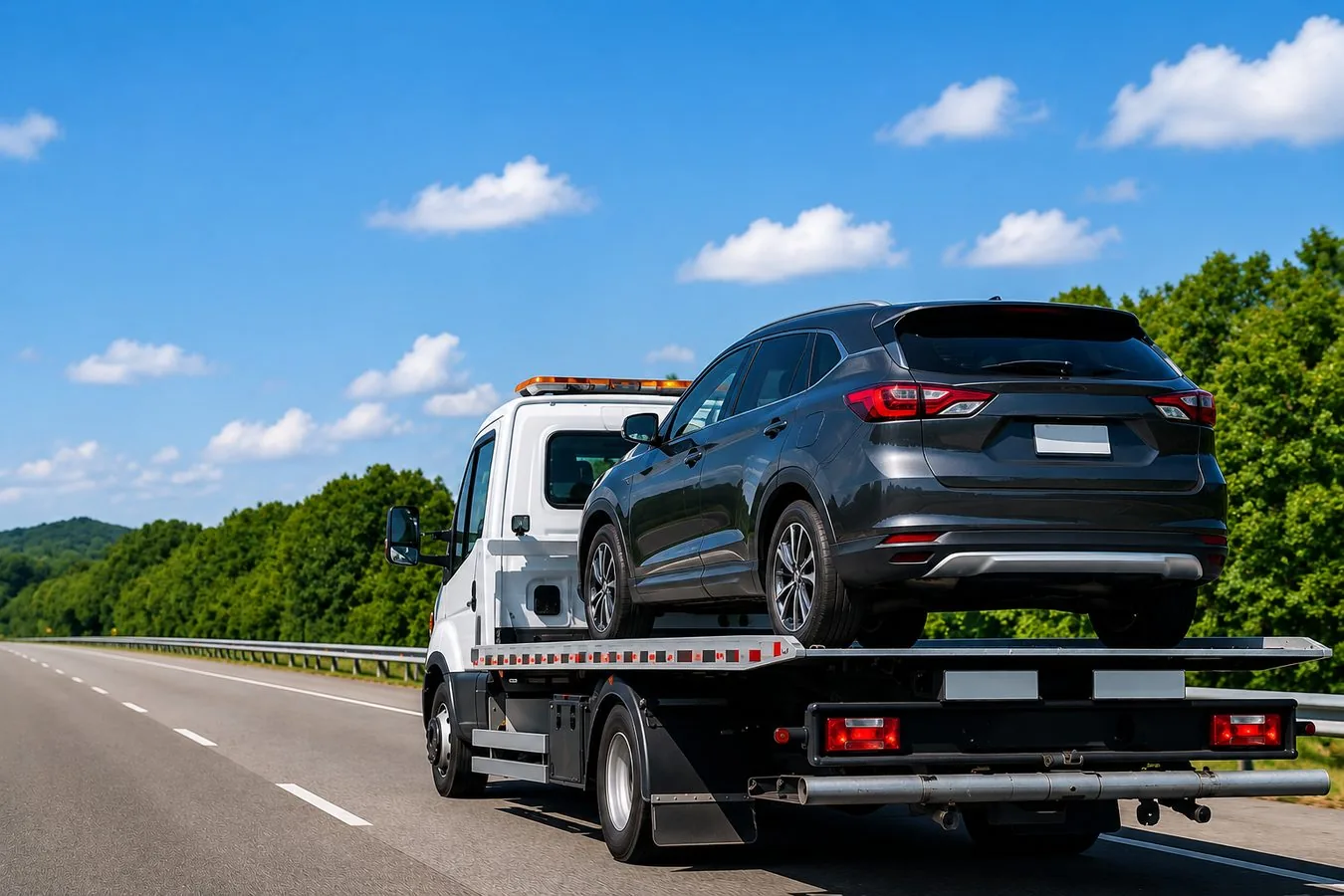
A flat tire never picks a convenient moment. Maybe you felt the steering pull while heading down US-31 toward town, or you walked out to your car near the Giles County Courthouse and found a rear tire flat on the pavement. Either way, knowing how to change a flat tire safely can save you an hour of waiting and get you back on the road. This guide walks Pulaski, TN drivers through the whole process step by step, and just as importantly, it explains the moments when the smarter move is to stay put and call for help.
Changing a tire is not complicated, but doing it in the wrong spot or the wrong way is one of the most common ways drivers get hurt on the roadside. We tow and change tires across Pulaski, Cornersville, Lynnville, Ardmore, Elkton, Minor Hill, and Fayetteville every week, so we have seen how a five-minute job can go sideways. Read this before you need it, and keep our number saved: (931) 286-7805, answered 24/7.
Before You Start: Roadside Safety First in Giles County
Where you stop matters more than anything else you do. The single biggest risk during a tire change is not the tire, it is passing traffic. Before you touch a lug wrench, get your vehicle to the safest possible position.
- Pull completely off the road. Aim for a flat, level, solid surface well past the white line. Grass shoulders soften after Middle Tennessee rain and can let a jack sink, so a paved lot or wide gravel apron is better if one is close.
- Avoid working near fast traffic. On US-64, TN-11, or especially I-65, a narrow shoulder puts you within a few feet of vehicles moving 65 to 70 mph. If you cannot get fully clear, do not change the tire yourself.
- Turn on your hazard lights the moment you feel the flat, and leave them on the entire time.
- Set the parking brake and put the car in Park (or first gear for a manual). Chock the opposite tire with a rock or wheel wedge if you have one.
- Get passengers out and away from the traffic side, behind a guardrail or off the shoulder entirely.
If it is dark, raining, or you are on a blind curve like some of the stretches along US-31 south of Pulaski, the shoulder is simply not a safe workshop. There is no shame in calling a flatbed instead. A tire is cheaper than a trip to the hospital.
What You Need to Change a Flat Tire
Most vehicles come with the basic kit from the factory, but plenty of drivers discover a missing jack handle or a rock-hard spare only when they need it. Take five minutes this week to confirm you actually have all of this in your trunk:
- Spare tire that holds air. Check its pressure every couple of months, because a spare that has sat flat for two years is useless.
- Jack rated for your vehicle weight, plus its handle or crank.
- Lug wrench that fits your wheel nuts (a four-way cross wrench gives you far more leverage than the stock L-shaped one).
- Vehicle owner manual so you can find the correct jack points.
- Flashlight, gloves, and a reflective triangle or flares for night work.
- Wheel wedge or a couple of bricks to chock the tires.
If your car uses locking lug nuts, make sure the key adapter is in the glovebox. Without it, no wrench in the world will get that wheel off, and even a tow operator will have to work around it.
How to Change a Flat Tire: Step by Step
Once your car is safely parked and everyone is clear of traffic, work through these steps in order. Do not rush the loosening step, and do not ever put a body part under a car held up only by a jack.
- Loosen the lug nuts while the tire is still on the ground. Turn counterclockwise about a half turn each. Leaving the wheel on the ground stops it from spinning. If a nut is stubborn, use your body weight on the wrench rather than yanking.
- Position the jack under the manufacturer jack point. This is usually a reinforced spot on the frame just behind the front wheels or ahead of the rear wheels. Your manual shows the exact location. Jacking under a soft body panel will bend metal, not lift the car.
- Raise the vehicle until the flat tire is about six inches off the ground, high enough that the inflated spare will clear once you swap it.
- Remove the lug nuts the rest of the way and set them somewhere they will not roll away, such as inside an upturned hubcap.
- Pull the flat straight toward you and set it flat on the ground so it cannot roll into traffic.
- Mount the spare by lining it up with the wheel studs and pushing it on until it seats against the hub.
- Thread the lug nuts on by hand and snug them, but do not fully tighten yet.
- Lower the car until the spare touches the ground and takes some weight, then tighten the lug nuts in a star or crisscross pattern so the wheel seats evenly.
- Lower the car fully, remove the jack, and give the nuts one final firm check in that same crisscross pattern.
Stow the flat, jack, and tools before you drive off. Then take it easy: a compact spare is a temporary fix, not a highway tire.
When You Should Not Change It Yourself
Plenty of flats are perfectly safe to handle in a parking lot on a dry afternoon. Others are not worth the gamble. Skip the DIY change and call for roadside tire service or a tow if any of these apply:
- You are on a narrow high-speed shoulder on I-65, US-64, or US-31 with traffic close by. Federal safety data from the NHTSA consistently shows that disabled vehicles and people standing outside them on highway shoulders face serious crash risk. That risk is real in Giles County too.
- The lug nuts are rusted or over-torqued and will not move, which is common on vehicles that had their tires rotated with an impact gun.
- Your spare is also flat, missing, or you have run-flats with no spare at all.
- The ground is soft, sloped, or icy and you cannot get the jack to sit level and stable.
- You have more than one damaged tire after hitting debris or a deep pothole.
- You are simply not comfortable doing it, or the weather has turned. That is a completely valid reason to call.
In any of these cases, a flatbed or wheel-lift truck can either change the tire on site or haul the vehicle to a Pulaski tire shop. Our trucks are DOT compliant and our operators are licensed and insured, and we typically reach drivers across Giles County in about 30 to 45 minutes.
How Much Does a Tire Change Cost in Pulaski?
If you handle the swap yourself, the only cost is the spare you already own. If you call for help, the price depends on time of day, your location, and whether you need a simple roadside spare mount or a tow to a shop. Here is a realistic range for the Pulaski and Giles County area in 2026:
| Service | Typical Price Range | Notes |
|---|---|---|
| Roadside spare change (you have a good spare) | $75 to $125 | Operator mounts your spare on site |
| After-hours or highway shoulder call | $100 to $160 | Late night, I-65, or difficult access |
| Tow to a Pulaski tire shop | $95 to $175 | When no usable spare is available |
| Locking lug nut removal (no key) | Added labor | Varies by wheel and difficulty |
Prices vary by exact distance and conditions, so call for a firm quote before the truck rolls. There are never surprise charges once we give you a number over the phone.
Flat Tire and Nowhere Safe to Change It?
24/7 roadside tire service and flatbed towing across Pulaski and all of Giles County. Fast response, licensed and insured operators.
📞 Call (931) 286-7805Frequently Asked Questions
How long can I drive on a spare tire after changing a flat in Pulaski?
Most compact (donut) spares are rated for about 50 miles at speeds under 50 mph. That is enough to get from most spots in Giles County to a tire shop in Pulaski, but you should replace or repair the flat as soon as possible. A full-size spare can be driven normally until you fix the original tire.
What should I do if I get a flat tire on US-31 or I-65 near Pulaski?
Get your car as far onto the shoulder as possible, turn on your hazard lights, and stay away from the traffic side of the vehicle. High-speed shoulders on US-31 and I-65 are dangerous places to kneel by a wheel. If you are not fully clear of traffic, do not attempt the change yourself. Call Pulaski Towing at (931) 286-7805 for 24/7 roadside tire service instead.
Have you ever had to change a tire on the shoulder of US-31, or were you glad you called for help instead?