Roadside Assistance Cost in Pulaski, TN: What You'll Pay
Your car dies in the Walmart lot off US-31, or the battery won't turn over in your driveway on a cold Giles County morning, and the first question is almost always the same: what is this going to cost me? It's a fair thing to ask. Nobody wants a surprise on the invoice when they're already having a bad enough day standing on the shoulder.
The honest answer is that roadside assistance in Pulaski isn't a single flat number — it depends on what you need, when you need it, and how far help has to travel to reach you. But you don't have to guess. Below are the real 2026 price ranges we see across Pulaski, ZIP 38478, and the surrounding towns, along with a plain explanation of what pushes the bill up or down so there are no surprises. As a licensed and insured, DOT compliant local operator answering the phone 24/7, we'd rather you know the numbers up front.
What roadside assistance costs in Pulaski (2026 ranges)
Most roadside calls fall into a handful of common services, and each has a typical range. These figures reflect standard rates around Pulaski and Giles County; the exact price depends on the specifics of your situation, which we'll always confirm with you before we roll a truck.
| Roadside service | Typical Pulaski price (2026) |
|---|---|
| Jump start (dead battery) | $50 – $85 |
| Car lockout / door unlock | $55 – $95 |
| Fuel delivery (plus fuel) | $55 – $90 |
| Flat tire change (with your spare) | $55 – $95 |
| Winch-out / minor recovery | $100 – $250+ |
| Local tow (hook-up + first miles) | $95 – $175 |
| Additional tow miles | $3 – $6 per mile |
Think of most roadside services as a service-call fee that covers dispatching a truck, driving to your location, and doing the work on the spot. A tow is different because it adds a hook-up charge plus a per-mile rate for the distance the vehicle travels. That's why a quick fix on the shoulder is nearly always cheaper than loading the car onto a flatbed and hauling it somewhere.
What makes your roadside bill go up or down
If two neighbors call for the exact same jump start and get slightly different totals, it usually comes down to a few factors that every honest towing company weighs the same way:
- Time of day. A 2 p.m. call is generally cheaper than a 2 a.m. call. Overnight, holiday, and severe-weather runs cost more because a truck and driver have to be staffed around the clock.
- Distance to you. A breakdown near the Giles County Courthouse in town is a shorter trip than one out toward Minor Hill, Elkton, or the Ardmore line. The farther the drive, the more the fuel and time.
- Vehicle type. A compact car is straightforward. A lifted truck, a low sports car, an AWD vehicle that needs a flatbed, or anything requiring wheel-lift equipment can shift the price.
- How stuck you are. A car in a parking spot is simple. A vehicle nosed into a ditch off US-64 that needs a winch-out is more labor and more risk, so recovery runs higher than a basic service call.
- Wait and access. If a truck has to wait, navigate a tight spot, or work in an unsafe location like a live lane on I-65, that can affect the total, too.
Pay-per-use vs. a roadside membership plan
A common question is whether it's smarter to pay for each call as it happens or to carry a membership like AAA. There's no single right answer — it depends on how often you break down and what you value.
A membership plan charges an annual fee (often somewhere in the $60–$165 range depending on tier, per AAA) and then covers a set number of service calls per year, usually with mileage caps on towing. If you drive a lot of miles, own an older vehicle, or want the predictability of a flat annual cost, a plan can pay for itself in a single bad week.
Paying a local company per use, on the other hand, means you owe nothing until you actually need help — and when you do call, you're talking to a Pulaski dispatcher who knows the difference between Sam Davis Avenue and the far side of Cornersville, not a national call center routing you to whoever is closest. Many drivers keep it simple: no membership, just a trusted local number saved in their phone. Whichever route you choose, the key is knowing the price before the truck arrives.
A closer look at each roadside service
Here's what you're actually paying for with the most common calls we run around Pulaski:
- Jump start. If your battery is just drained, a jump gets you moving in minutes. If the battery is failing and won't hold a charge, we'll tell you honestly — a jump may only buy you a short drive, and a tow to a shop might save you a second call.
- Lockout. Keys locked inside? We use proper tools to open the door without damaging the vehicle. Faster and far cheaper than breaking a window.
- Fuel delivery. Run dry on US-64 between towns? We bring enough fuel to get you to the nearest station. You pay the service fee plus the cost of the gas.
- Flat tire change. If you have a good spare, we'll swap it roadside. No usable spare means a short tow to a tire shop instead.
- Winch-out and recovery. Slid off the road, into a ditch, or stuck in mud after a storm? Winch-out pricing depends on the position and difficulty, which is why it carries a range rather than a flat fee.
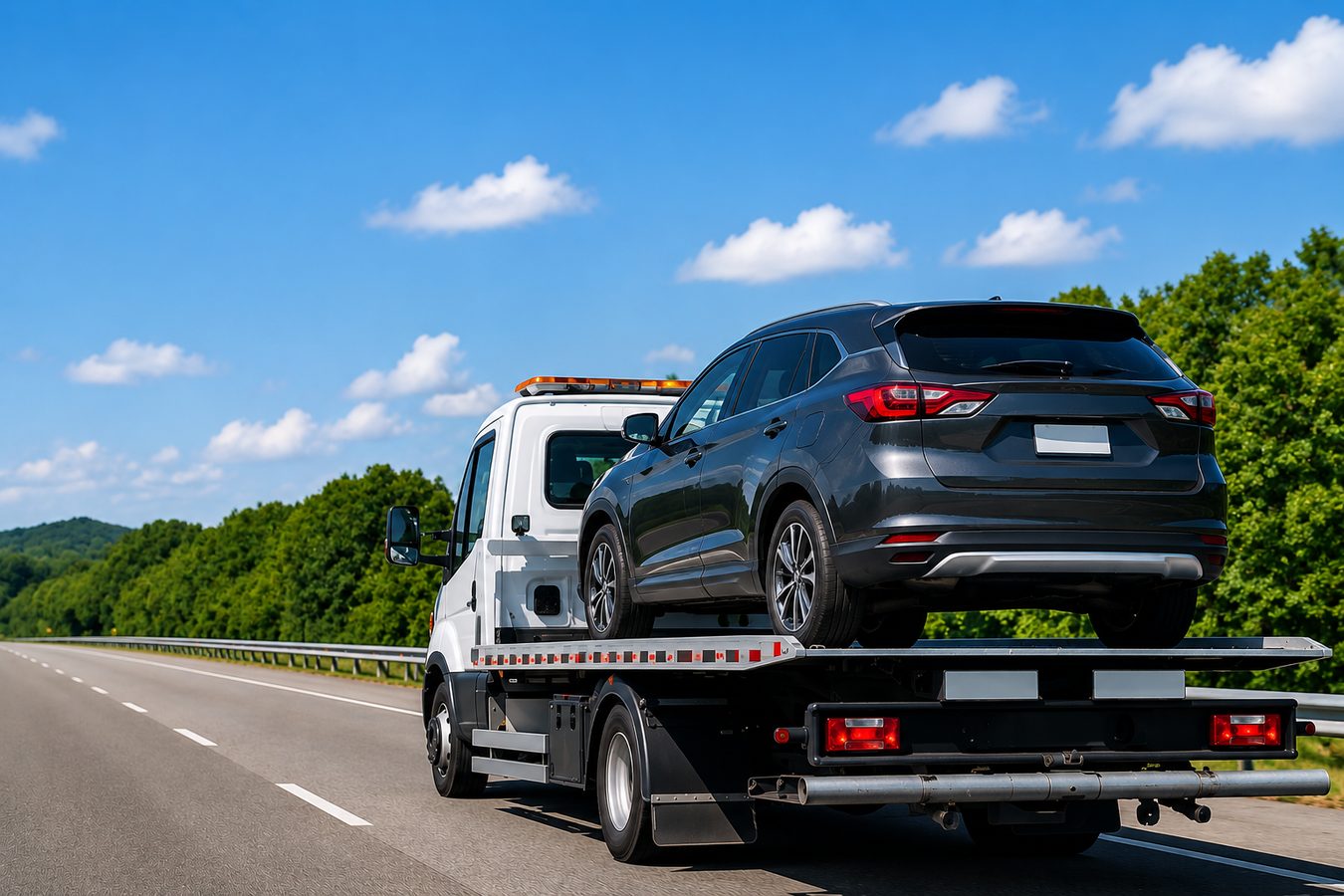
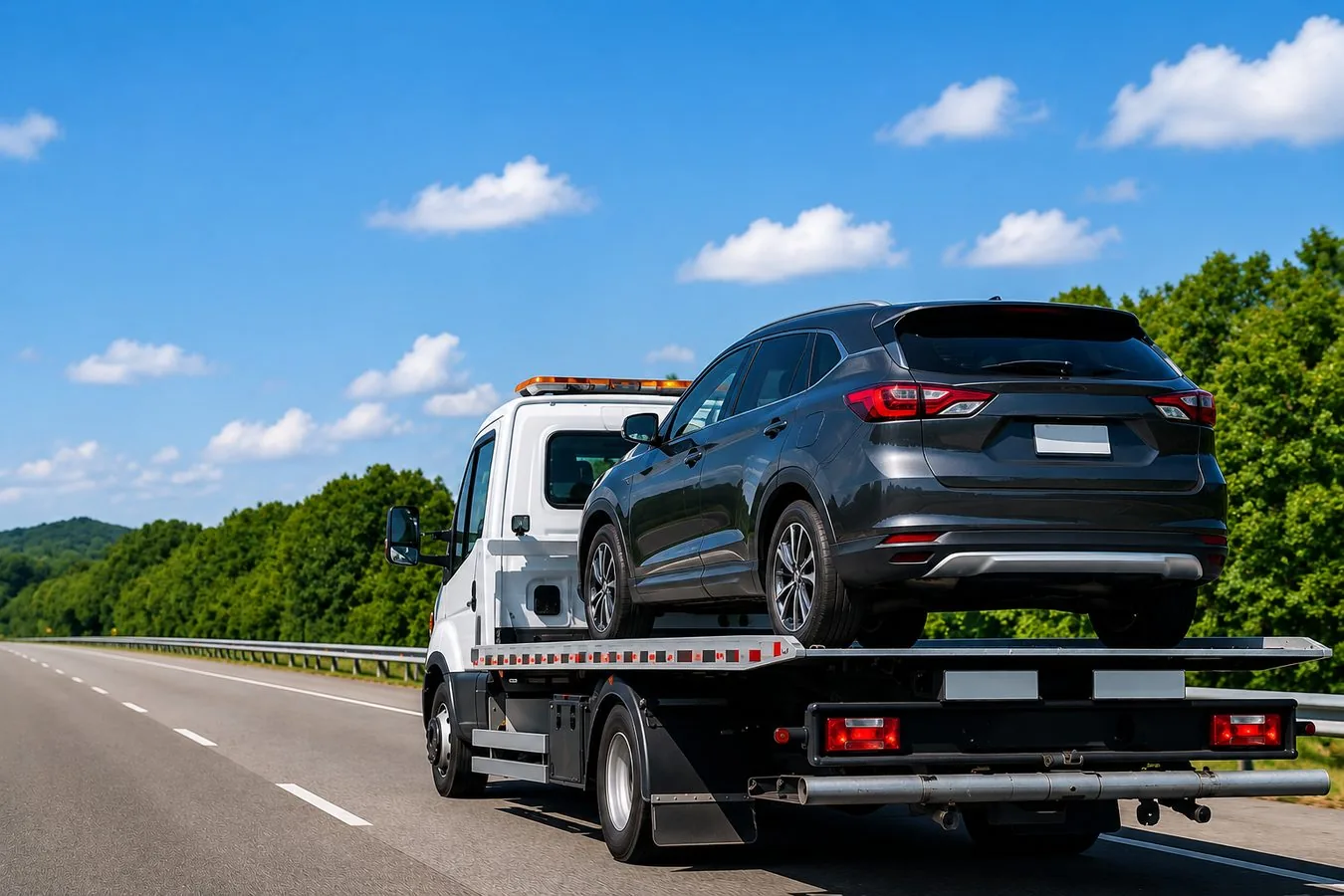
- Towing. When the car can't safely be fixed where it sits, our flatbed and wheel-lift trucks move it to your shop, home, or wherever you need. This is where the hook-up fee plus per-mile rate applies.
Does insurance or a warranty already cover it?
Before you assume you're paying out of pocket, check what you already carry. Many auto insurance policies offer a roadside or towing add-on for just a few dollars a month, and it often reimburses a jump start, lockout, fuel delivery, or a tow up to a set limit. Newer vehicles still under a manufacturer warranty frequently include roadside coverage for the first few years, and some credit cards and cell-phone plans quietly bundle it in as a perk.
The catch is that most of these programs reimburse you rather than pay the truck directly, so you'll usually pay us at the scene and file for the money back with your receipt. We're happy to provide a clear, itemized invoice for exactly that. If you're not sure what you have, a two-minute look at your insurance app before trouble strikes can turn a $90 call into a $0 out-of-pocket day.
How to keep your roadside costs down
A few simple habits keep these bills as low as possible:
- Save a local, licensed and insured towing number before you ever need it, so you're not comparison-shopping in a panic on the shoulder.
- Know your rough location — a mile marker on I-65, the nearest cross street, or a landmark like the Giles County Courthouse — so the truck reaches you faster and drives fewer wasted miles.
- Keep a working spare tire and jumper cables in the trunk; sometimes the cheapest call is the one you don't have to make.
- Ask for the price up front. Any reputable Pulaski operator will quote you before dispatching, not after.
- Address warning signs early. A battery that cranks slowly or a tire that keeps going soft is cheaper to handle in a shop than on the side of the road at midnight.
Need help now? We're 24/7 in Pulaski.
Clear pricing before we roll. Fast local response across Pulaski, Giles County and nearby towns — 30 to 45 minutes, day or night.
📞 Call (931) 286-7805Frequently asked questions
How much does a jump start cost in Pulaski, TN?
A standalone jump start in the Pulaski and Giles County area typically runs about $50 to $85, depending on the time of day and how far our truck has to drive to reach you. Overnight and holiday calls sit at the higher end. If your battery is fully dead and won't hold a charge, we can also tow the vehicle to a shop for repair.
Is roadside assistance cheaper than a full tow?
Usually, yes. A quick roadside fix like a jump start, lockout, fuel delivery, or flat tire change is almost always cheaper than a tow because the vehicle stays where it is and gets you moving again. A tow adds a hook-up fee plus a per-mile rate. When a repair can't be done on the shoulder, though, a tow is the safer and often the only real option.